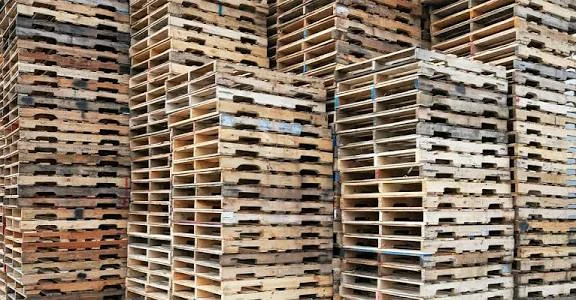
Used Wooden Pallets: Benefits, Applications, and Best Practices for Businesses
Wooden pallets play an important role in transporting, storing, and handling goods across industries. However, purchasing new pallets for every shipment can increase operating costs and material waste. Used wooden pallets provide businesses with a cost-effective alternative that supports routine shipping and warehouse operations.
When properly inspected and maintained, used wooden pallets can serve multiple purposes, from freight transportation to inventory storage. Understanding their benefits, applications, and quality requirements helps businesses make better purchasing decisions.
What Are Used Wooden Pallets?
Used wooden pallets are previously utilized shipping platforms that remain suitable for continued use. These pallets are typically collected from warehouses, manufacturers, retailers, and distribution centers before being inspected and sorted.
Some used wooden pallets can be reused without modification, while others require repairs such as replacing damaged boards or securing loose components. Pallets that meet the necessary requirements can return to commercial operations.
Businesses often choose used wooden pallets to reduce procurement expenses and make better use of existing materials.
Types of Used Wooden Pallets
Used wooden pallets are available in different grades, sizes, and construction types. Understanding these differences helps businesses select pallets that match their shipping and storage needs.
Grade A Used Wooden Pallets
Grade A pallets are generally in better condition and show relatively limited signs of wear. They may have undergone minor repairs while retaining a consistent structure and appearance.
These pallets are commonly preferred for applications requiring cleaner presentation and more uniform pallet conditions.
Grade B Used Wooden Pallets
Grade B pallets typically show more visible wear and may contain additional repairs or replacement components.
They can provide an economical option for businesses handling routine shipments where appearance is less important than functionality. Load requirements and structural condition should still be verified before use.
Remanufactured Wooden Pallets
Remanufactured pallets are assembled or restored using recovered wooden components from previously used pallets.
This process helps extend the useful life of pallet materials while providing businesses with additional options for their handling and shipping requirements.
Key Benefits of Using Used Wooden Pallets
Used wooden pallets provide several advantages for businesses managing recurring pallet requirements.
Lower Pallet Purchasing Costs
One of the primary benefits of used wooden pallets is their potential to reduce procurement expenses. Previously used pallets are often available at lower prices than newly manufactured alternatives.
Businesses purchasing large quantities can reduce overall pallet expenditure by selecting suitable recycled or repaired inventory.
Reduce Material Waste
Reusing wooden pallets helps reduce the amount of material sent to disposal facilities. Instead of replacing every pallet after its initial use, businesses can extend the service life of existing wooden structures.
This approach supports more efficient resource utilization and reduces unnecessary timber consumption.
Support Warehouse Operations
Used wooden pallets can support routine material handling activities, including product storage, inventory movement, and shipment preparation.
When pallets meet the appropriate specifications, they can be integrated into existing warehouse processes without major operational changes.
Improve Purchasing Flexibility
Businesses may require different pallet grades depending on product type, shipment destination, and handling conditions.
Used wooden pallets provide an additional purchasing option alongside new and custom-manufactured pallets, allowing companies to match pallet selection with specific operational needs.
Common Applications of Used Wooden Pallets
Used wooden pallets serve several purposes across commercial and industrial environments.
Shipping and Freight Transportation
Used wooden pallets are frequently used to transport packaged products between suppliers, warehouses, and distribution facilities.
They provide a stable platform for consolidating goods and allow forklifts and pallet jacks to move shipments efficiently.
Warehouse Storage and Inventory Management
Warehouses use wooden pallets to organize products and support material handling activities.
Suitable used pallets can help businesses maintain inventory arrangements while reducing the cost of purchasing additional shipping platforms.
Manufacturing and Production Facilities
Manufacturers use pallets to transport raw materials, finished products, and components between production areas.
Used wooden pallets can be suitable for these activities when their dimensions, structural condition, and load capacity meet operational requirements.
Retail and Wholesale Distribution
Retailers and wholesalers regularly handle palletized merchandise moving through distribution networks.
Used wooden pallets provide a practical option for transporting products and maintaining shipping inventory during periods of changing demand.
Furniture and Repurposing Projects
Used wooden pallets can also be repurposed into furniture, shelving, garden planters, and other wooden structures.
However, pallets intended for repurposing should be inspected for contamination, chemical treatment markings, and structural damage before being used outside their original purpose.
Used Wooden Pallets vs. New Wooden Pallets
Both used and new wooden pallets can support transportation and storage activities. Their suitability depends on the intended application and required specifications.
| Used Wooden Pallets | New Wooden Pallets |
| Previously used and recovered for reuse | Manufactured from new components |
| Often available at lower prices | Typically have higher purchase costs |
| May show wear or previous repairs | Generally have a more uniform appearance |
| Available in different grades | Can be built to specific requirements |
| Reduce demand for new pallet materials | May be preferred for specialized applications |
Businesses should evaluate pallet quality, dimensions, and load requirements before choosing between used and new pallets.
How to Inspect Used Wooden Pallets Before Purchasing
Proper inspection is essential for ensuring that used wooden pallets are suitable for commercial applications.
Check for Structural Damage
Inspect pallets for broken deck boards, damaged stringers, missing components, and loose fasteners.
Pallets with significant structural damage should be repaired or removed from service before handling heavy loads.
Verify Pallet Dimensions
Confirm that pallet dimensions match warehouse equipment, storage systems, and transportation requirements.
The 48 x 40-inch pallet is commonly used in North American distribution, although other sizes are available for specialized applications.
Look for Contamination
Used wooden pallets may have been exposed to chemicals, moisture, or other materials during previous shipments.
Pallets with suspicious stains, strong odors, mold, or unknown contamination should not be used for applications where they could create safety concerns.
Review Treatment Markings
Wooden pallets used in international shipping may carry treatment markings indicating compliance with applicable wood packaging regulations.
For export applications, businesses should verify that pallets meet the relevant ISPM 15 requirements.
How to Choose a Supplier for Used Wooden Pallets
Selecting a dependable supplier is important for maintaining pallet quality and consistent inventory availability.
Businesses should consider the following factors:
- Pallet grading: Confirm how the supplier classifies and inspects used wooden pallets.
- Available dimensions: Check whether the required pallet sizes are consistently stocked.
- Inventory capacity: Determine whether the supplier can support recurring orders.
- Repair standards: Understand how damaged pallets are restored and evaluated.
- Delivery availability: Confirm transportation options and expected delivery schedules.
- Pricing: Compare costs based on pallet grade, size, quantity, and delivery requirements.
A reliable supplier should provide clear information about pallet condition, specifications, and availability.
How to Extend the Lifespan of Used Wooden Pallets
Proper storage and handling can help businesses maximize the usable life of their pallet inventory.
Used wooden pallets should be stored in dry, organized areas to reduce moisture exposure and unnecessary damage. Employees should avoid dragging pallets, overloading them, or handling them improperly with forklifts.
Regular inspections help identify damaged components before they affect shipping operations. Businesses can also establish repair and recycling procedures to recover usable pallets and separate those no longer suitable for service.
Tracking pallet usage and replacement frequency helps purchasing teams improve inventory planning and reduce unnecessary expenditures.
Conclusion
Used wooden pallets offer businesses an economical and practical solution for shipping, storage, and material handling requirements. Their ability to support multiple uses makes them valuable for warehouses, manufacturers, distributors, and logistics providers.
By selecting the appropriate pallet grade, inspecting structural condition, and following proper handling practices, businesses can reduce purchasing costs and extend pallet service life. Incorporating used wooden pallets into inventory planning also supports more efficient resource utilization and waste reduction.